
Asbestos in Plaster Walls & Lath – How Asbestos Testing is Done?
The old and commercial buildings in California are made up of material which were once safe but now they are harmful to health and cause serious health issues.
One of the main concerns is asbestos in plaster walls. Understanding whether plaster walls have asbestos, how testing is done, and when to consult a professional is essential for safe renovations and property management.
What is Asbestos Plaster?
Asbestos plaster is a building material manufactured with asbestos for increased durability and thermal insulation. It starts as a pasty mixture made from water and various minerals and then turns solid once it dries.
Aside from its thermal properties, it also has soundproofing characteristics and an aesthetic finish that makes interior walls look more appealing.
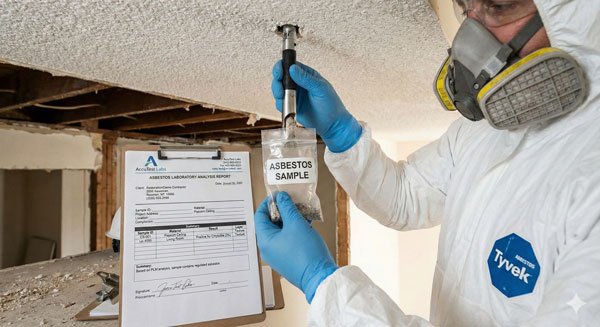
Professional Asbestos Testing
If you think that you have asbestos walls, hire a licensed and trained professional for accurate asbestos identification. Once the presence of asbestos has been confirmed by the inspector, we recommend hiring a certified asbestos abatement company for the safe removal of the walls, including other asbestos-containing materials.
Do Plaster Walls have Asbestos?
Yes, the old buildings made before the 1980s have plaster that contains asbestos. Basically, plaster was used for fire resistance, strength, durability, and soundproofing.
Asbestos in Plaster Walls: When is it Dangerous?
Asbestos-containing plaster is generally safe if left undisturbed. However, it becomes dangerous when: walls are drilled, cut, or sanded. Renovation or demolition occurs in old buildings. Plaster begins to tumble down or decline.
Is asbestos harmful to people?
Individuals who are most at risk of asbestos exposure from contaminated walls include the following:
People who still work with mixing plaster that contains asbestos are at risk. Construction workers who applied plaster to walls. Renovation and demolition workers. Occupants in the building with asbestos-contaminated materials. Moreover, secondhand exposure can also happen because asbestos fibers can stick to the garments and shoes of the exposed individuals and can put those around them at risk.
How is Asbestos Testing Done?
According to the EPA, if you suspect your home has asbestos contamination, you shouldn’t disturb or try to move it. For example, if you find vermiculite insulation in the attic, take steps to protect the members of your household from breathing in airborne fibers.
Then, look up certified asbestos testers in your area by searching your state or county’s public health department website.
The EPA encourages amateur renovators to hire a testing firm instead of attempting to test ACM themselves. Many nationwide department stores (like Home Depot) and online retailers (like Amazon) sell home test kits for asbestos (samples are sent to a lab for analysis).
However, the EPA does not recommend testing asbestos yourself because it could expose you to its toxic airborne particles.
Does lath and plaster contain asbestos?
If you own an older home in California, you might be wondering about asbestos in Lath and plaster walls. While traditional lath and plaster walls typically do not contain asbestos, often using horsehair or fiber for reinforcement instead—there is still a risk. Due to California’s historical emphasis on fireproofing materials, asbestos was sometimes added to plaster mixtures, particularly in homes built between the 1940s and 1980s. Homeowners should be most cautious with later skim coats, patching compounds, or decorative textures, rather than the structural plaster itself.
Key Considerations for California Homeowners:
Likelihood: While the presence of asbestos in lath and plaster is possible, it is considered rare compared to other materials like vinyl flooring or pipe insulation. However, given California’s large inventory of mid-century homes, testing is highly recommended.
Risky Areas: Higher risk is found in fire-prone zones such as boiler rooms, attic spaces, or behind ceilings near chimneys—common features in many California residences.
Identification: It is impossible to visually identify asbestos. Unlike horsehair, asbestos fibers are microscopic.
Actionable Advice for CA Residents: Treat all dusty, disturbed older plaster as suspect. Before any remodeling, drilling, or demolition, prioritize asbestos testing California-compliant. Use a state-certified laboratory to avoid costly violations and protect your family’s health.
FAQs About Asbestos in Plaster Walls
Q1. Can I remove asbestos plaster myself?
No. Removing asbestos-containing plaster without proper training and certification is extremely dangerous and, in many cases, illegal.
Q2. Are all old plaster walls asbestos-containing?
Not all old plaster walls contain asbestos, but many buildings constructed before the 1980s used asbestos for fire resistance and durability. The only way to confirm its presence is through professional testing.
Q3. When is asbestos testing required?
Asbestos testing is strongly recommended before any renovation, demolition, or remodeling work in older buildings. It may also be required during property sales, insurance assessments, or code compliance checks, depending on local and state regulations.
Q4. Do sellers and real estate agents have to disclose that there was asbestos in plaster or other materials used to build the home before they sell it?
While federal law does not require asbestos disclosure, some states (like Alaska) require extensive disclosures to be filled out before accepting offers. Alabama, on the other hand, holds the buyer responsible for initiating contamination testing.
